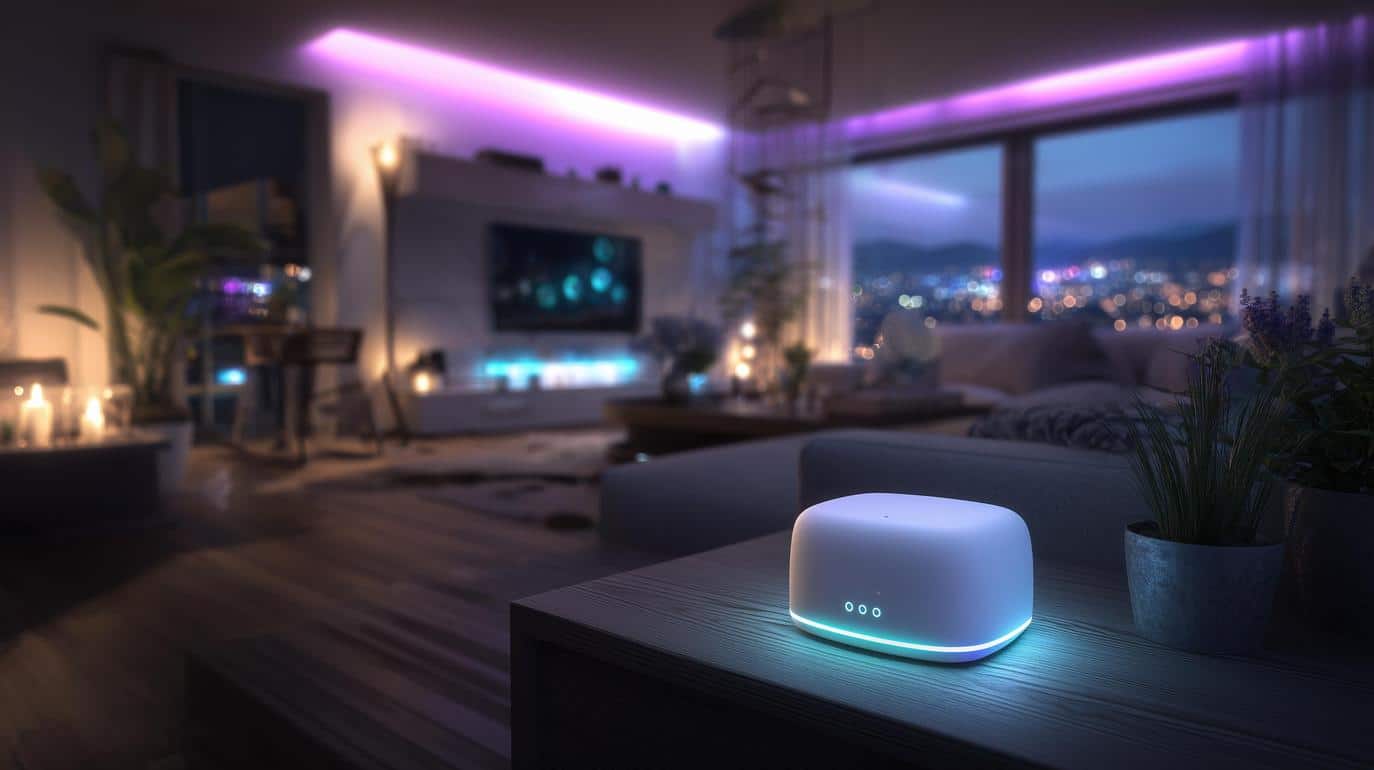
Rosboxar: A Simple and Practical Guide to the Smart Modular System Concept
Rosboxar is one of those ideas that feels modern the moment we hear it, even if it’s still new to many people. At its core, Rosboxar is a smart modular system concept designed to make technology, spaces, and workflows more flexible, adaptable, and future-ready. Instead of locking us into one rigid setup, Rosboxar focuses on building systems that grow, change, and rearrange as our needs evolve.
We’ll walk through what Rosboxar really means, how it works, where it can be used, and why it matters. We’ll keep things simple, practical, and human, just like we would explain it to a friend who’s curious but doesn’t want technical jargon.
What Does Rosboxar Mean?
The meaning of Rosboxar comes from how we combine two ideas: structure and flexibility. “Ros” can be seen as representing a core or base system, while “boxar” hints at box-like modules that connect together. When we put it all together, Rosboxar means a central smart core connected to multiple modular units that work together as one system.
Instead of building everything from scratch every time we need something new, Rosboxar encourages us to build once and adapt endlessly. That’s the heart of the concept.
The Core Idea Behind Rosboxar
Rosboxar is built on a few simple principles:
- We design systems in pieces, not as one solid block
- Each piece has a clear function
- Pieces can communicate with each other
- Users stay in control of how everything fits together
This approach makes Rosboxar different from traditional systems that are often fixed and difficult to change. With Rosboxar, change is expected, not feared.
Why Modular Systems Matter Today
Our lives are changing faster than ever. Technology evolves, businesses scale up or down, homes get smarter, and work styles shift constantly. Traditional systems struggle to keep up because they were designed for stability, not flexibility.
Modular systems like Rosboxar solve this problem. They allow us to adjust without starting over. We can add a new module when we need it, remove one when it’s no longer useful, or upgrade a single part without touching the rest.This saves time, money, and energy.
How Rosboxar Works in Simple Terms
Imagine Rosboxar like a set of smart building blocks. There is a main hub that acts as the brain. Around this hub, we connect different modules. Each module has a specific role, such as storage, control, automation, analytics, or connectivity.
All modules follow shared standards so they can “talk” to each other. When we plug in a new module, the system recognizes it and integrates it smoothly. When we remove one, the system adapts without crashing.
Key Features of Rosboxar
Rosboxar stands out because of its thoughtful feature set. These features are not about flashy tech, but about real-world usefulness.
Modularity
Every part is independent yet connected. We can customize setups without rebuilding everything.
Smart Integration
Modules are designed to work together intelligently. Data and commands flow smoothly across the system.
Scalability
Rosboxar grows with us. Small setups can become large systems over time.
User-Friendly Design
The concept focuses on ease of use, not complexity. We don’t need to be experts to manage it.
Future-Ready Structure
New technologies can be added as new modules instead of replacing the entire system.
Common Uses of Rosboxar
Rosboxar is a flexible concept, so it fits into many areas. Let’s explore some of the most practical uses.
Smart Homes
In a smart home, Rosboxar allows us to add lighting, security, climate control, and entertainment modules as needed. We don’t have to install everything at once. If we move or renovate, modules can be rearranged or upgraded easily.
Workspaces and Offices
Modern offices need adaptable setups. Rosboxar can support modular desks, smart meeting rooms, energy management systems, and access control. As teams grow or shrink, the system adapts.
Industrial and Manufacturing Settings
Factories often change production lines. Rosboxar supports modular machinery control, monitoring systems, and automation units. This reduces downtime and increases efficiency.
Digital Platforms and Software Systems
In software, Rosboxar-inspired design allows platforms to add features as modules. Instead of rewriting code, we simply plug in new capabilities.
Education and Learning Spaces
Classrooms and training centers benefit from modular technology. We can adjust layouts, tools, and digital resources based on teaching needs.
Benefits of Using Rosboxar
The benefits of Rosboxar go beyond convenience. They touch almost every aspect of how we build and manage systems.
Cost Efficiency
We only pay for what we need. Upgrades don’t require full replacements.
Flexibility
Change becomes easy and stress-free. Systems adapt instead of resisting change.
Time Savings
Installation, maintenance, and upgrades take less time.
Reduced Waste
Replacing only parts instead of entire systems is better for the environment.
Personalization
We design systems that match our exact needs, not generic templates.
Rosboxar vs Traditional Systems
Traditional systems are often rigid. Once built, they are hard to modify. Any change usually means high costs and technical headaches.Rosboxar flips this model. It assumes change will happen and designs for it. Instead of fearing upgrades, Rosboxar welcomes them.This mindset shift is one of the biggest strengths of the concept.
Who Can Benefit from Rosboxar?
Rosboxar isn’t limited to big companies or tech experts. It’s useful for:
- Homeowners who want flexible smart homes
- Small businesses that need affordable scalability
- Large organizations managing complex systems
- Developers building adaptable platforms
- Educators designing modern learning spaces
Anyone who values flexibility can benefit from Rosboxar.
Challenges and Considerations
Like any concept, Rosboxar has challenges we should be honest about.
Standardization
Modules must follow shared rules to work together. Poor standards can cause compatibility issues.
Initial Planning
While flexible, Rosboxar still requires thoughtful design at the start.
Learning Curve
Users may need time to understand how modules interact.
Security
Connected systems must be protected to prevent misuse.These challenges are manageable with good design and responsible use.
The Role of Smart Technology in Rosboxar
Smart technology is what gives Rosboxar its intelligence. Sensors, software logic, and data analytics allow modules to respond to real-world conditions.
For example, in a smart building, Rosboxar can adjust lighting and temperature based on occupancy. In software, it can activate features based on user behavior.Smart doesn’t mean complicated. It means responsive.
The Human Side of Rosboxar
One thing we often forget about technology is the human experience. Rosboxar places people at the center.
It respects that our needs change. It reduces frustration by making systems easier to manage. It empowers us to customize without technical stress.This human-first approach is what makes Rosboxar feel practical, not abstract.
Future Potential of Rosboxar
The future of Rosboxar looks promising. As technology continues to evolve, modular systems will become even more important.
We can imagine Rosboxar supporting AI-driven modules, sustainable energy systems, advanced automation, and personalized digital environments. Instead of being overwhelmed by new tech, we’ll simply add what we need.Rosboxar also aligns well with sustainability goals. Modular upgrades mean less electronic waste and longer system lifespans.
Rosboxar and Innovation
Innovation thrives in flexible environments. Rosboxar creates space for experimentation without risk. We can test new modules without disrupting the whole system.This encourages creativity and continuous improvement.
How We Can Start Thinking in a Rosboxar Way
Even if we don’t use a product labeled “Rosboxar,” we can still apply the mindset.
- We can design projects in parts
- We can prioritize flexibility over perfection
- We can plan for growth instead of fixed outcomes
This way of thinking prepares us for the future.
Final Thoughts
Rosboxar is more than a technical concept. It’s a philosophy of smart, modular living and working. It reminds us that systems should serve us, not trap us.
By focusing on adaptability, simplicity, and user control, Rosboxar offers a refreshing alternative to rigid designs. Whether we apply it to homes, offices, software, or learning spaces, the idea remains the same: build smart, build modular, and stay flexible.