Decreto Supremo 160: What You Need to Know About Chile’s Fuel Safety Regulation
When we hear the term Decreto Supremo 160, most of us might think it’s some complex legal jargon that only engineers or government officials understand. In reality, it’s a very practical regulation that affects daily life, especially in Chile. This decree is primarily about safety standards for liquid fuels, ensuring that both businesses and consumers are protected from accidents and hazards related to fuels like gasoline, diesel, and LPG.
Quick Overview of Decreto Supremo 160
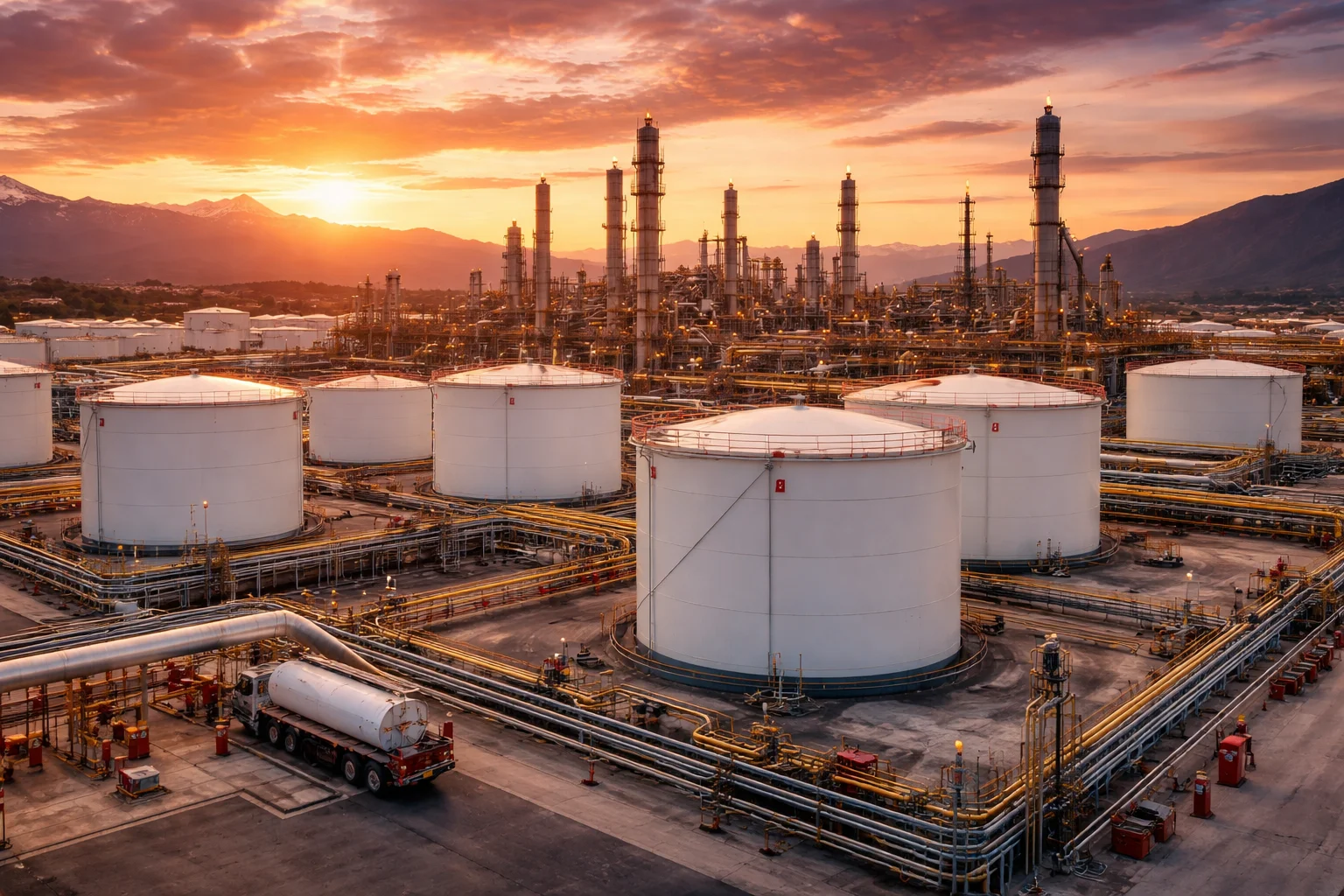
At its core, Decreto Supremo 160 is a legal framework designed to regulate the safety of handling, storing, and distributing liquid fuels. The government established it to reduce the risks of fires, explosions, and environmental damage associated with flammable substances.
It covers several key areas:
- Fuel storage requirements – tanks, containers, and depots must meet specific safety standards.
- Transport regulations – vehicles carrying fuel must follow strict protocols.
- Operational procedures – businesses must train staff and have emergency plans.
- Inspection and compliance – authorities conduct checks to ensure everyone follows the rules.
Essentially, it’s about creating a safe environment for people working with fuels and for the general public.
Why Decreto Supremo 160 Is Important
We often take fuel for granted. When we fill our car at a gas station, we rarely think about the risks behind the scenes. But fuels are highly flammable and potentially dangerous if handled incorrectly. Even a small mistake can lead to accidents with serious consequences.
Decreto Supremo 160 is important because:
- It protects lives – by ensuring proper storage, handling, and emergency protocols, the law reduces accidents.
- It prevents environmental damage – fuel leaks and spills can contaminate soil and water. Proper regulation limits these risks.
- It standardizes the industry – fuel distributors, gas stations, and transport companies all follow the same rules.
- It encourages accountability – companies are legally responsible for compliance, which motivates safer practices.
Without these regulations, the risk of accidents in fuel storage, transport, and sales would be much higher, potentially causing fatalities and significant property damage.
Who Must Follow Decreto Supremo 160
The decree affects a wide range of people and organizations in Chile:
- Fuel distributors and suppliers – companies that sell gasoline, diesel, LPG, and other flammable liquids must comply with the rules.
- Gas stations – operations must meet safety standards for storage tanks, pumps, and handling practices.
- Transport companies – trucks, tankers, and delivery vehicles must follow specific loading, transport, and unloading protocols.
- Industrial facilities – any factory or plant that uses or stores liquid fuels must comply.
- Government inspectors – authorities check compliance and enforce penalties if needed.
It’s worth noting that even smaller businesses or individuals who handle fuel for commercial purposes need to follow these regulations. It’s not just for big companies.
Key Requirements Under Decreto Supremo 160
Decreto Supremo 160 is detailed, but we can summarize the main requirements into a few categories:
1. Storage Safety
One of the main focuses is on how fuels are stored. This includes:
- Tanks must be designed to prevent leaks or ruptures.
- Storage areas must have proper ventilation to prevent the buildup of flammable vapors.
- Fire suppression systems, like extinguishers and sprinkler systems, are mandatory.
- Storage areas should be clearly marked and restricted to authorized personnel.
These measures are meant to prevent fires or explosions before they happen.
2. Handling and Operations
The decree emphasizes proper handling procedures:
- Staff must be trained in safe fuel handling practices.
- Loading and unloading of fuels should follow strict protocols to avoid spills.
- Emergency response plans must be in place, including first-aid measures and fire response.
- Regular safety drills and inspections are encouraged.
It’s about building a safety-first culture in every organization that deals with liquid fuels.
3. Transportation Regulations
Transporting fuel is one of the riskiest parts of the supply chain. Decreto Supremo 160 requires:
- Vehicles to be specially designed for fuel transport.
- Clear labeling of hazardous materials.
- Drivers to have proper licenses and safety training.
- Speed limits, route planning, and emergency equipment in vehicles.
By following these rules, the law reduces accidents on highways and in urban areas.
4. Compliance and Inspections
Regulations are only effective if they are enforced. Decreto Supremo 160 outlines:
- Regular inspections by government authorities.
- Documentation and reporting requirements for fuel companies.
- Penalties for non-compliance, including fines and suspension of operations.
Companies that adhere to these rules not only avoid penalties but also build trust with consumers.
How Decreto Supremo 160 Impacts the Industry
For companies involved in fuels, compliance with Decreto Supremo 160 is not optional. It has a direct impact on operations, costs, and reputation.
- Operational costs – upgrading tanks, installing safety systems, and training staff require investment.
- Legal risks – violations can result in fines, lawsuits, or suspension of licenses.
- Market trust – companies that comply demonstrate responsibility, which can attract more customers.
- Innovation opportunities – some companies adopt safer, environmentally friendly technologies to meet regulations.
Overall, the decree pushes the industry toward higher safety standards and professionalism.
Common Challenges in Implementing Decreto Supremo 160
While the benefits are clear, businesses sometimes face challenges in compliance:
- High costs of upgrades – smaller companies may struggle to install modern safety systems.
- Training requirements – staff must be regularly trained, which can be time-consuming.
- Complex paperwork – inspections and documentation can be bureaucratic.
- Keeping up with updates – the decree can be updated, so companies must stay informed.
Despite these challenges, adherence is essential for safety and legal protection.
Practical Tips for Compliance
If you’re in the fuel industry in Chile, following Decreto Supremo 160 doesn’t have to be overwhelming. Here are some practical tips:
- Conduct a risk assessment – identify areas where fuel handling might be unsafe.
- Train all employees in safety procedures and emergency response.
- Maintain proper documentation of inspections, maintenance, and training.
- Invest in safety systems like fire suppression, spill containment, and ventilation.
- Stay updated with official regulations and any amendments.
By being proactive, companies can avoid accidents and legal troubles while creating a safer environment for everyone.
Conclusion
Decreto Supremo 160 may sound like a dense legal term, but it’s essentially about safety, responsibility, and accountability in the fuel industry in Chile. From storage tanks to transport vehicles, this regulation ensures that everyone handling liquid fuels is doing so in the safest way possible.
For businesses, it means following clear rules, investing in safety, and training staff. For the public, it means reduced risk of accidents and environmental damage. In the end, Decreto Supremo 160 is a reminder that regulations like these aren’t just bureaucratic hurdles—they protect lives and the environment every day.
Whether you’re a business owner, employee, or just someone curious about safety regulations, understanding Decreto Supremo 160 helps us appreciate the care and planning behind the fuels we use every day.
Explore the latest entertainment news and reviews at Proxyium!