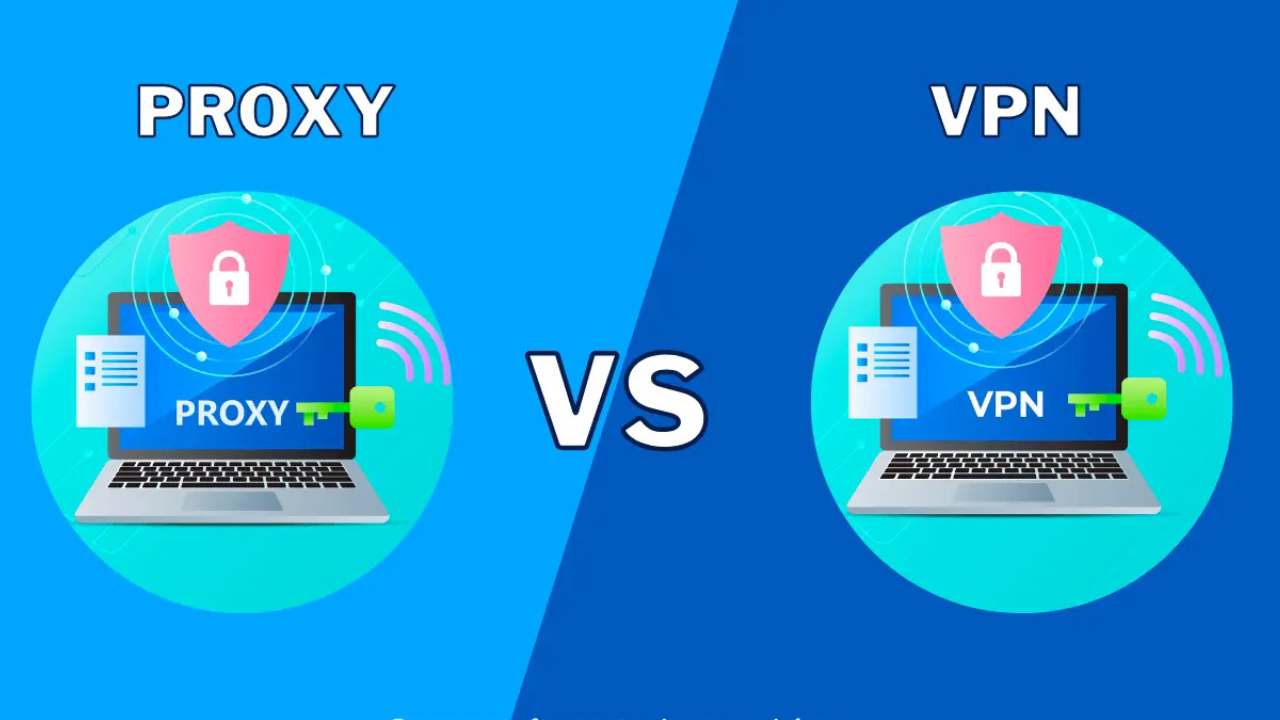
Proxyium vs VPN: Which One Is Better for Privacy in 2025?
As online privacy becomes more important than ever in 2025, tools like Proxyium and VPNs are gaining attention. Whether you’re trying to access blocked websites, mask your identity, or protect your personal data, both Proxyium and VPNs promise some level of privacy and security.
But if you’re serious about protecting your digital footprint, you’ve probably asked yourself this key question:
Proxyium vs VPN — which one is better for privacy
To answer that, we need to dig deep into how both work, what they offer, their limitations, and most importantly, how they handle your privacy. In this article, we’ll break down the key differences between Proxyium and VPNs, so you can decide which tool is right for your online habits.
What Is Proxyium
Proxyium is a web-based proxy browser. It allows users to visit websites through a remote server, which hides their real IP address and bypasses restrictions like firewalls or geo-blocks. You don’t need to install any software or register an account to use Proxyium — just visit the site, enter the URL you want to access, and browse.
Proxyium is especially popular among students, travelers, or workers who want quick access to restricted websites without installing apps or paying fees.
What Proxyium Does Well
- Quick access to blocked content
- Hides your IP address
- No installation required
- Free and easy to use
- No account or login needed
However, Proxyium is not designed as a full privacy solution. Its main strength is convenience, not deep encryption or long-term protection.
What Is a VPN
A Virtual Private Network, or VPN, encrypts your internet traffic and routes it through a secure server. It hides your IP address, masks your location, and keeps your online activity safe from prying eyes — including hackers, your internet provider, and even government surveillance.
VPNs are used by professionals, journalists, remote workers, and privacy-conscious users who need a stronger layer of online protection.
What VPNs Offer
- Strong encryption of all internet traffic
- Total anonymity across apps and browsers
- IP masking and location spoofing
- Protection on public Wi-Fi
- Bypasses censorship and geo-blocks
VPNs are more complex to set up than Proxyium and usually require a subscription fee, but they offer a much more comprehensive privacy experience.
Head-to-Head Comparison: Proxyium vs VPN
Let’s now break down how Proxyium and VPNs compare across several important categories when it comes to online privacy.
1. IP Address Masking
- Proxyium hides your real IP address from the websites you visit, allowing you to browse anonymously on a surface level.
- VPNs also hide your IP, but across your entire device, including background apps and all web activity.
Winner: VPN. It offers more complete IP masking, not just limited to one browser tab.
2. Encryption
- Proxyium does not encrypt your traffic. The data between your device and the proxy server may be visible to your ISP or network admin.
- VPNs encrypt all data using secure protocols, making it unreadable to anyone trying to spy on you.
Winner: VPN. For users concerned about sensitive data or surveillance, encryption is non-negotiable.
3. Ease of Use
- Proxyium requires no software or setup. It works in any browser with just a few clicks.
- VPNs need to be installed and configured. While modern VPNs are user-friendly, they still require more steps.
Winner: Proxyium. It’s the fastest and simplest tool for casual browsing.
4. Privacy Policies and Logging
- Proxyium does not clearly state whether it logs user activity. Lack of transparency may be a concern.
- Reputable VPNs publish detailed no-logs policies and undergo independent audits.
Winner: VPN, especially those with verified no-log policies. You know what’s being collected — or not collected.
5. Data Protection on Public Networks
- Proxyium offers no real protection if you’re using public Wi-Fi. Hackers can still intercept data.
- VPNs encrypt your connection on public networks, shielding your activity and personal info.
Winner: VPN. Public Wi-Fi is one of the riskiest environments for privacy — and VPNs are built to handle that.
6. Cost and Accessibility
- Proxyium is free, browser-based, and available to anyone instantly.
- VPNs often come with a monthly or annual fee, though some offer free versions with limitations.
Winner: Proxyium, if your focus is on cost and convenience.
7. Use Case Variety
- Proxyium is mostly limited to bypassing content restrictions in a web browser.
- VPNs work across your entire system — from browsers to apps, torrent clients, and more.
Winner: VPN. It provides more flexibility and functionality.
When Should You Use Proxyium
Proxyium is great for quick, anonymous browsing in specific situations, such as:
- Accessing blocked websites in schools, offices, or libraries
- Bypassing geo-blocked news or video sites
- Reading social media in restricted areas
- Browsing casually without downloading apps
- Using shared or public devices
If you’re not dealing with highly sensitive data or serious surveillance threats, Proxyium is a light and fast solution.
When Should You Use a VPN
VPNs are the better option if you’re focused on security and full-device privacy. Choose a VPN if you:
- Use public Wi-Fi regularly
- Want to hide your activity from your ISP
- Work remotely and need secure access to files
- Travel and need access to global content
- Want to prevent advertisers from tracking you
- Handle sensitive emails or financial data
VPNs provide peace of mind and deeper privacy, especially in environments where security is critical.
Can You Use Both Together
Technically, you could use Proxyium through a VPN connection, but it’s often unnecessary. If you already have a strong VPN running, you don’t need Proxyium to access most blocked content. However, using Proxyium while connected to a VPN might provide an extra layer of obfuscation, but it may also slow down your internet speed or create compatibility issues.
For most users, one tool is enough — and it depends on your priority: speed and simplicity or privacy and security.
Final Verdict: Which One Is Better for Privacy
If your primary goal is true online privacy, a VPN is clearly the better option. It encrypts your traffic, hides your identity across all devices and apps, and provides advanced features like kill switches and DNS leak protection.
On the other hand, Proxyium is ideal for quick access to blocked websites, especially if you don’t want to install anything or pay a subscription. It’s a great everyday tool for casual use but falls short of the deep privacy VPNs can provide.
In short:
- Choose Proxyium if you want fast, free, and easy access to blocked sites with basic anonymity.
- Choose a VPN if you need serious, all-around protection for your identity and data in 2025.
Closing Thoughts
In 2025, online privacy is not a luxury — it’s a necessity. Whether you choose Proxyium or a VPN depends on what level of protection you need and how often you need it. For casual browsing and content access, Proxyium is a powerful tool. But for full digital security, a VPN remains unmatched.
The best decision is an informed one. Know your goals, understand the tools, and protect your online presence with the right solution.
Stay in touch to get more news & updates on Proxyium!